Rug Cleaning in London
If you are looking for rug cleaning in London, you are probably dealing with more than just surface dust. City living brings everyday wear that can quickly settle deep into fibres: muddy shoes after a wet commute, crumbs and spills in busy family homes, pet hair in flats, and general grime that builds up in high-traffic rooms. A professionally cleaned rug can transform the feel of a space, whether it sits in a Victorian terrace in Islington, a riverside apartment in Battersea, a townhouse in Kensington, or a busy office reception in the City.
Rugs often play a bigger role than people expect. They can soften acoustics in open-plan rooms, protect floors, bring warmth to modern interiors, and add character to older London properties. But because they sit under constant use, they also attract dirt faster than many other soft furnishings. That is why a local rug cleaning service matters: it gives you a practical way to maintain the look, hygiene, and life of your rugs without the hassle of trying to manage it yourself.
Whether your rug is a delicate hand-woven piece, a synthetic runner in a hallway, or a statement centrepiece in a commercial space, the right cleaning approach depends on the fibre, weave, dye stability, and condition. Rug cleaning is not one-size-fits-all, especially in London where homes and workplaces vary so much in layout, access, and usage. A good service takes that into account from the start.
Why London rugs need specialist care
London homes and businesses place unique demands on rugs. The weather alone creates a constant challenge. Rainy days, damp pavements, and busy transport routes all contribute to fine dirt and moisture being tracked indoors. In many properties, especially flats and period homes, rugs also see heavy use because they sit in narrow hallways, communal living spaces, or compact rooms where foot traffic is concentrated.
Then there is the fabric side of things. Many rugs are made from natural fibres such as wool, cotton, silk blends, jute, or viscose. Others are synthetic or mixed construction. Each type reacts differently to moisture, agitation, detergents, and drying conditions. Using the wrong method can lead to colour bleeding, shrinkage, pile distortion, or residue left behind in the backing. A specialist rug cleaning company in London is used to handling these materials carefully.
Local knowledge also matters. Access can be difficult in the city. You might live on the third floor without a lift, have limited parking outside, or manage a building with controlled entry and tight delivery windows. A local team understands how to work around those challenges and plan the service efficiently, which makes the whole process much easier for residential and commercial customers alike.
What our rug cleaning service includes
A professional service should do more than give the rug a quick vacuum. A proper clean is designed to remove embedded debris, refresh the fibres, and treat stains and odours in a way that suits the material. While every rug is assessed individually, a typical service may include inspection, dust removal, pre-treatment, deep cleaning, rinsing or controlled extraction, and careful drying.
Depending on the rug and its condition, the process may also include spot treatment for food marks, drink spills, pet accidents, or ground-in soil. Some rugs benefit from specialist deodorising, pile grooming, or fringe cleaning. For delicate items, the cleaning plan may be adapted to preserve dyes, natural oils, and structural integrity.
Here is what customers often expect from rug cleaning in London done properly:
- Assessment of fibre type, dye stability, and overall condition
- Removal of loose dirt, dust, and grit before wet cleaning
- Targeted stain treatment based on the stain source
- Deep cleaning tailored to the rug’s construction
- Careful drying to help reduce odours and moisture retention
- Optional attention to fringes, edges, and high-wear areas
- Advice on aftercare and routine maintenance
Types of rugs we clean across London
London properties contain a huge variety of rugs, from decorative pieces in private homes to practical floor coverings in offices, hospitality venues, and communal areas. The right cleaning method depends on the type you own, because different materials and constructions need different treatment.
Common rug types include wool rugs, oriental rugs, Persian-style rugs, shaggy rugs, flatweaves, runners, synthetic rugs, antique pieces, modern designer rugs, kilim rugs, and blends that combine several fibres. Each category has its own cleaning challenges. For example, wool can hold dirt deep in the pile but usually responds well to controlled cleaning when handled properly. Silk and viscose need a much gentler approach. Flatweaves may dry faster, but their dyes and structure still need careful attention.
Commercial customers may also need large-format area rugs, reception rugs, or branded mats cleaned regularly to keep premises looking smart. In a city where first impressions count, clean floor coverings help create a fresher environment for staff, clients, and visitors. For households, the benefit is just as clear: your rug looks brighter, feels cleaner, and contributes to a more comfortable room.
How the rug cleaning process works
When customers enquire about rug cleaning in London, they usually want to know how the process works and whether it will suit their rug and schedule. A dependable service should be straightforward and transparent from the beginning. The usual process starts with an assessment, either from photos, a call, or an in-person look at the rug’s material and condition.
After assessment, the rug is typically dusted or vacuumed thoroughly to lift dry soil. This step is important because dry grit can behave like sandpaper when moisture is introduced. Once loose debris has been removed, the rug can be pre-treated for stains and traffic lanes, then cleaned using a suitable method such as controlled washing, low-moisture treatment, or other fibre-safe techniques. The exact method depends on the rug rather than a fixed template.
Finally, the rug is dried in a controlled way and inspected again to check the result. If necessary, a second pass may be used on stubborn spots. Good communication is essential, especially if the rug is delicate, heavily soiled, or in need of extra care. Customers should be told what is realistic for their specific rug, rather than given vague promises.
Assessment and inspection
This stage helps identify material, age, colourfastness, stains, wear areas, fringe condition, and any previous repairs. A proper inspection reduces the risk of damage and sets expectations clearly. In London, this can be especially useful when rugs are older, inherited, or custom-made and the owner may not know the exact fibre content.
Pre-cleaning inspection is one of the most valuable steps because it allows the cleaner to choose the safest method. For example, a wool rug with old detergent residue may need a different approach from a modern synthetic rug with beverage stains. The more accurately the rug is assessed, the better the final result tends to be.
In many cases, this stage also helps identify structural issues such as loose binding, weak corners, moth damage, or fraying fringes. If that is spotted early, the cleaning method can be adjusted to protect the rug rather than strain it unnecessarily.
Dust removal and pre-treatment
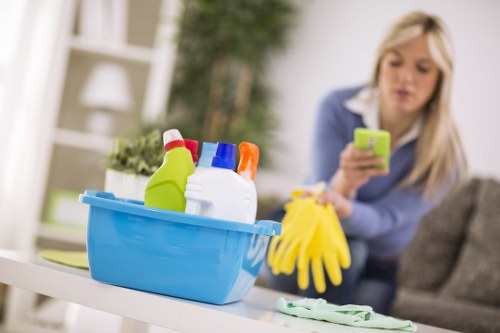
Dust removal is often underestimated, but it is crucial for quality results. Rugs trap fine particles deep in the pile, especially in city homes where open windows, foot traffic, and daily movement all contribute to build-up. Removing dry soil before washing helps the cleaning products work more effectively and can improve the overall finish.
Pre-treatment targets specific problem areas. These may include food spills, drink marks, pet stains, grease, mud, or dark patches from repeated foot traffic. The cleaner may use different solutions depending on the stain and the fibres involved. The aim is to loosen the soiling without harming the colour or texture.
For customers with children, pets, or busy households, this stage can make a noticeable difference. It helps lift the marks that ordinary vacuuming cannot reach, while preparing the rug for a deeper clean that feels more thorough and hygienic.
Residential rug cleaning for London homes
Homes across London vary widely, from compact studio flats to large period houses, but the need for rug care is often the same. Families want to keep living rooms inviting, protect investment pieces, and reduce the impact of everyday dirt. Homeowners often call for rug cleaning after a spill, before guests arrive, during a seasonal refresh, or when a rug simply starts to look dull.
In smaller homes and flats, rugs can make rooms feel warmer and quieter, but they also attract wear because they are used constantly. In larger homes, you may have multiple rugs in hallways, bedrooms, dining rooms, and lounges, each with different cleaning needs. A local rug cleaning service can help handle these variations without requiring you to move everything yourself unnecessarily.
Common residential reasons to book include pet odours, accidental staining, allergy concerns, dust build-up, post-renovation clean-ups, and routine maintenance. If your home includes young children or pets, keeping rugs cleaner can also support a more comfortable and pleasant living space. Many London customers also like the visual lift that follows a deep clean: colours often look clearer and patterns more defined.
Commercial rug cleaning for offices and businesses
London businesses rely on clean interiors to make a good impression. Reception rugs, meeting room floor coverings, hospitality mats, and lounge rugs all contribute to how a workplace feels. In commercial settings, rugs are often exposed to constant foot traffic, muddy shoes, coffee spills, and regular use that causes rapid wear at entrances and communal areas.
Commercial rug cleaning can be arranged for offices, coworking spaces, shops, hotels, restaurants, serviced apartments, and public-facing environments. The service can often be scheduled to minimise disruption, which is especially useful in busy parts of the capital where access times are limited and operations cannot stop for long. A practical cleaner should understand this and plan accordingly.
For business owners and facilities managers, the priority is to keep spaces presentable, hygienic, and safe. Clean rugs can support that goal while helping extend the life of the flooring investment. If a rug has become heavily marked in a client area, getting it professionally treated is often much more cost-effective than replacing it too soon.
Why choose a local London rug cleaning company
Using a local company for rug cleaning in London has several real advantages. London is a city of contrasts: terraced houses, mansion blocks, warehouse conversions, new-build apartments, and commercial premises all create different access and scheduling needs. A local service is more likely to be familiar with parking constraints, congestion, loading restrictions, and the practical realities of city work.
Local teams can also respond more flexibly. If you need help with a rug that needs careful handling, a time-sensitive clean, or a property with awkward access, a nearby provider is often easier to coordinate with. That can save time and reduce stress, especially if the rug is large, valuable, or difficult to move.
There is also a trust factor. Customers usually prefer a service that understands the area they live in and the types of properties they own or manage. Whether you are in Camden, Fulham, Hackney, Wandsworth, Southwark, Westminster, Ealing, Greenwich, Richmond, or nearby districts, a local rug cleaner is used to serving a wide range of homes and businesses across the capital.
Areas and property types covered
London is broad, and rug care needs vary from one area to another. In some neighbourhoods, customers need delicate cleaning for older pieces in period homes. In others, the need is for fast turnaround and practical stain removal in contemporary flats or offices. A flexible service should be able to support a wide mix of locations and property types.
- Central London flats, apartments, and townhouses
- North London terraces, maisonettes, and family homes
- South London conversions, studios, and larger residences
- East London creative spaces, offices, and modern developments
- West London homes, hospitality venues, and commercial properties
- Shared buildings, managed apartments, and communal areas
Because London properties often have narrow staircases, limited lift access, or controlled entry systems, it helps to choose a cleaner who can adapt. That practical experience can make collection, cleaning, and return much smoother.
What affects rug cleaning pricing
Most customers want to know what influences the cost before they decide to book. While exact prices are not the same for every rug, several factors normally affect the quote. These include size, material, level of soiling, stain type, drying requirements, and whether the rug needs extra care for fringes, backing, or repairs.
For example, a small synthetic rug in light condition may be simpler to clean than a large handmade wool or silk piece with deep staining and delicate colours. Likewise, rugs with heavy pet contamination, strong odours, or long-term embedded dirt may require more detailed treatment. If collection and delivery are involved, distance and access can also play a role.
It is always better to request a tailored quote rather than assume every rug will cost the same. A professional service should ask useful questions and explain what affects the final amount. That way you can decide based on the rug’s actual condition, not a generic estimate.
How to prepare your rug for collection or cleaning
Preparing your rug properly can make the appointment easier and help achieve a better result. You do not usually need to do anything complicated, but a few simple steps are helpful. If the rug is in place, move smaller furniture if you can and clear the surrounding area. If you have pets, try to keep them away from the rug before collection or treatment.
It is also useful to point out any specific concerns, such as old stains, areas that have faded, sections with fraying, or places where previous cleaning failed. If the rug has sentimental value or is particularly delicate, make that clear at the start. The more the cleaner knows, the more carefully they can plan the work.
Before the service, consider this quick checklist:
- Vacuum lightly if advised, unless the rug is fragile
- Remove small furniture or items sitting on the rug
- Note stains, odours, or damage you want addressed
- Confirm access details for flats, buildings, or shared entrances
- Keep children and pets away from the work area
- Ask about drying time and when the rug can be used again
Why professional rug cleaning is better than DIY for many rugs
Some light maintenance can be done at home, such as regular vacuuming and immediate blotting of fresh spills. However, many rugs need more than household cleaning products. DIY methods can easily spread stains, push moisture deeper into the fibres, or damage dyes. This is especially true for natural fibres, antique items, and rugs with a mixed construction.
A professional cleaner brings knowledge, suitable equipment, and the ability to adapt the method to the rug rather than forcing one approach on every piece. That matters in London because so many properties contain valuable, inherited, or design-led rugs that deserve proper care. A wrongly chosen product can leave residue that attracts more dirt later, while too much water can create drying problems or cause backing issues.
In short, professional cleaning is about control and protection. It helps improve appearance while lowering the risk of accidental damage. For many customers, that peace of mind is as important as the visible result.
How often should rugs be cleaned?
The right cleaning frequency depends on how the rug is used, where it sits, and who lives or works in the property. A hallway runner in a busy family house may need attention more often than a decorative rug in a spare room. Similarly, a commercial entrance rug can collect dirt much faster than one in a low-traffic office area.
As a general rule, customers often book cleaning when the rug starts to look dull, smells musty, shows visible traffic marks, or suffers a spill that cannot be dealt with immediately. If there are allergies, pets, or children in the home, more regular maintenance can help keep the space feeling fresher. The key is to act before dirt becomes deeply embedded and more difficult to remove.
If you are unsure, a local specialist can advise based on the rug itself and how it is used. That is one more reason to choose a London service: it can be tailored to your actual living or working environment rather than an assumed schedule.
Stains, odours, and problem areas
Not every rug issue is visible at first glance. Sometimes the main concern is a lingering smell from pets, damp, or accidental spills. Other times the rug looks reasonably clean from a distance but has shadow marks, traffic lanes, or dull patches that become obvious in better light. A professional clean can often tackle these problems more effectively than routine home care.
Typical problem areas include dining rooms, hallways, living room seating zones, and places near entrances. Pet stains may require special pre-treatment because they can affect both appearance and odour. Drink spills may leave rings if they were blotted incorrectly or left too long. Even everyday dust and smoke residue can make a rug look older than it is.
The earlier the issue is addressed, the better the chance of a strong result. That said, even older marks may improve significantly with the right treatment. The cleaner should explain what can be done and where limits may apply, especially on delicate or aged materials.
Choosing the right rug cleaning service in London
When comparing providers, look for a company that asks questions before quoting, explains the cleaning method, and treats your rug as an individual item. A good service should be able to talk about fibre type, stain treatment, drying, and aftercare without overcomplicating the process. You want someone who is experienced, practical, and clear.
It also helps if the provider understands London property realities. That includes narrow access, building rules, lift restrictions, time-sensitive collection, and the needs of both domestic and commercial customers. Experience with the city often means fewer surprises and smoother service.
A strong local rug cleaner will also be honest. If a stain is unlikely to disappear completely, or if the rug needs special handling, they should say so up front. Clear expectations build confidence and help you decide whether to go ahead.
Questions worth asking before you book
- Does the service suit my rug’s material and age?
- How will stains and odours be treated?
- Is collection, delivery, or in-home cleaning available?
- How long will drying usually take?
- What preparation do I need to do before the appointment?
- Can the cleaner handle fragile, handmade, or antique rugs?
Frequently asked questions
Can all rugs be cleaned the same way?
No. Cleaning depends on fibre, weave, dyes, age, and condition. Wool, silk, synthetic, flatweave, and antique rugs each need a different approach.
Do you clean rugs in homes as well as collect them?
Many rugs can be assessed for either in-home or off-site cleaning depending on their size, material, and the level of work needed. A local team can advise which is most suitable.
Will stains always come out completely?
Not always. Some stains have set deeply or altered the fibres. A professional cleaner should explain what is likely to improve and what may remain visible.
How long does drying take?
Drying time varies based on the rug, cleaning method, room conditions, and airflow. Your cleaner should give you a realistic timeframe after inspection.
Is rug cleaning suitable for pet accidents?
Yes, in many cases. Pet-related issues often need targeted treatment for both odour and staining, and the sooner they are addressed, the better.
Can you help with large rugs in flats or upper floors?
Yes, many London services work with flats, maisonettes, and properties with access restrictions. It helps to mention any stairs, lifts, parking limits, or entry procedures when you enquire.
Book trusted rug cleaning in London
If your rug needs a refresh, a stain treatment, or a careful deep clean, now is a good time to take action. A well-cleaned rug can improve the look and feel of a room, reduce odours, and help protect the fibres for longer. Whether you need support for a family home, rental property, office, or hospitality space, a local specialist can offer a service shaped around your needs.
From busy central districts to residential neighbourhoods across the capital, the value of a local service is practical and immediate. You get a team that understands London living, knows how to work around access issues, and can handle a wide range of rug types with care. If you are ready to restore a favourite rug or maintain flooring in a professional setting, request a free quote and take the next step today.
Contact us today to discuss your rug, ask about the best cleaning method, and arrange the service that suits your schedule. Book your service now if you want a straightforward, local solution for rug cleaning in London.